

Children and Families we support
We work with children ages 3–12 and their families across a wide range of challenges. If you're not sure whether your child's struggles 'qualify' for therapy — they do. You don't have to wait for a crisis.
Common reasons families bring their child to WHCP:
Anxiety — separation anxiety, school refusal, social fears, worrying
Emotional outbursts, meltdowns, or difficulty regulating feelings
Depression, withdrawal, or low mood
Trauma — abuse, accidents, medical events, witnessing violence, or family disruption
Grief and loss — death of a loved one, divorce, family changes
ADHD and executive functioning challenges
Learning differences including dyslexia, sensory processing, and developmental delays
Self-esteem and social skills — difficulty making friends, bullying, or peer conflict
Family transitions — new sibling, move, parental separation, blended families
School-related stress and behavioral concerns
Anger management and behavioral challenges at home or school
How We Work with Children
Play is the natural language of childhood. When children can't find the words, play gives them a way to show us what they need.
WHCP therapists use child-centered play therapy as a primary modality with younger children. In a specially equipped play therapy room, children use toys, games, art, and stories to express emotions and experiences they can't yet articulate. The therapist observes and responds in ways that help children build emotional awareness, self-regulation, and trust.
Play Therapy
Both Danielle and Brandy are Certified LENS Neurofeedback practitioners. LENS (Low Energy Neurofeedback System) works directly with the central nervous system, helping it reorganize and self-regulate. Particularly effective for children with ADHD, anxiety, sensory issues, and trauma responses. Can be offered as a standalone service or alongside therapy.
LENS Neurofeedback
Expressive Arts & Sensory-Based Interventions
Drawing, storytelling, creative movement, and sensory-based activities give children additional pathways to process emotions and experiences. These approaches support brain-body integration and emotional resilience — particularly for children who have experienced trauma. Our therapists are trained in Structured Sensory-Based Interventions for Trauma and Resilience.
Family Systems & Parenting Support
Children don't heal in isolation. WHCP therapists work closely with parents and caregivers throughout the therapeutic process — sharing tools, strategies, and insights that extend the work of therapy into daily life at home. We believe that parents and caregivers are essential partners in their child's progress. Family therapy sessions are available to help the whole system communicate more effectively and support one another.
Danielle Gorrity, LCSW and Brandy Boza, LPC-A are EMDRIA-trained in EMDR specifically for children and teens. Adapted from the adult protocol, EMDR for children uses age-appropriate imagery and bilateral stimulation to help young clients process traumatic memories and reduce distress — without requiring them to describe the event in detail.
EMDR for Children
Every WHCP children's therapist works from a trauma-informed lens — meaning that all behavior is understood in context, safety and trust are foundational to every session, and no child is ever pushed faster than they're ready to go.
Trauma-Informed Care

Meet Your Child Therapists
Danielle Gorrity, LCSW
Clinical Director, Children & Families · Licensed Clinical Social Worker · EMDRIA-Trained EMDR · Certified LENS Neurofeedback Practitioner · Synergetic Play Therapy®and Registered Play Therapist Training
Danielle is passionate about helping children, teens, and families learn healthy and effective ways to communicate feelings. She works from a deeply trauma-informed and attachment based lens, believing that a safe therapeutic relationship is the foundation for all healing. Her collaborative approach always includes caregivers — she's found that working as a team with parents is the most effective way to create lasting positive change for children. Danielle's EMDR training is specifically adapted for children and teens, and she offers LENS Neurofeedback alongside or independently from talk therapy.
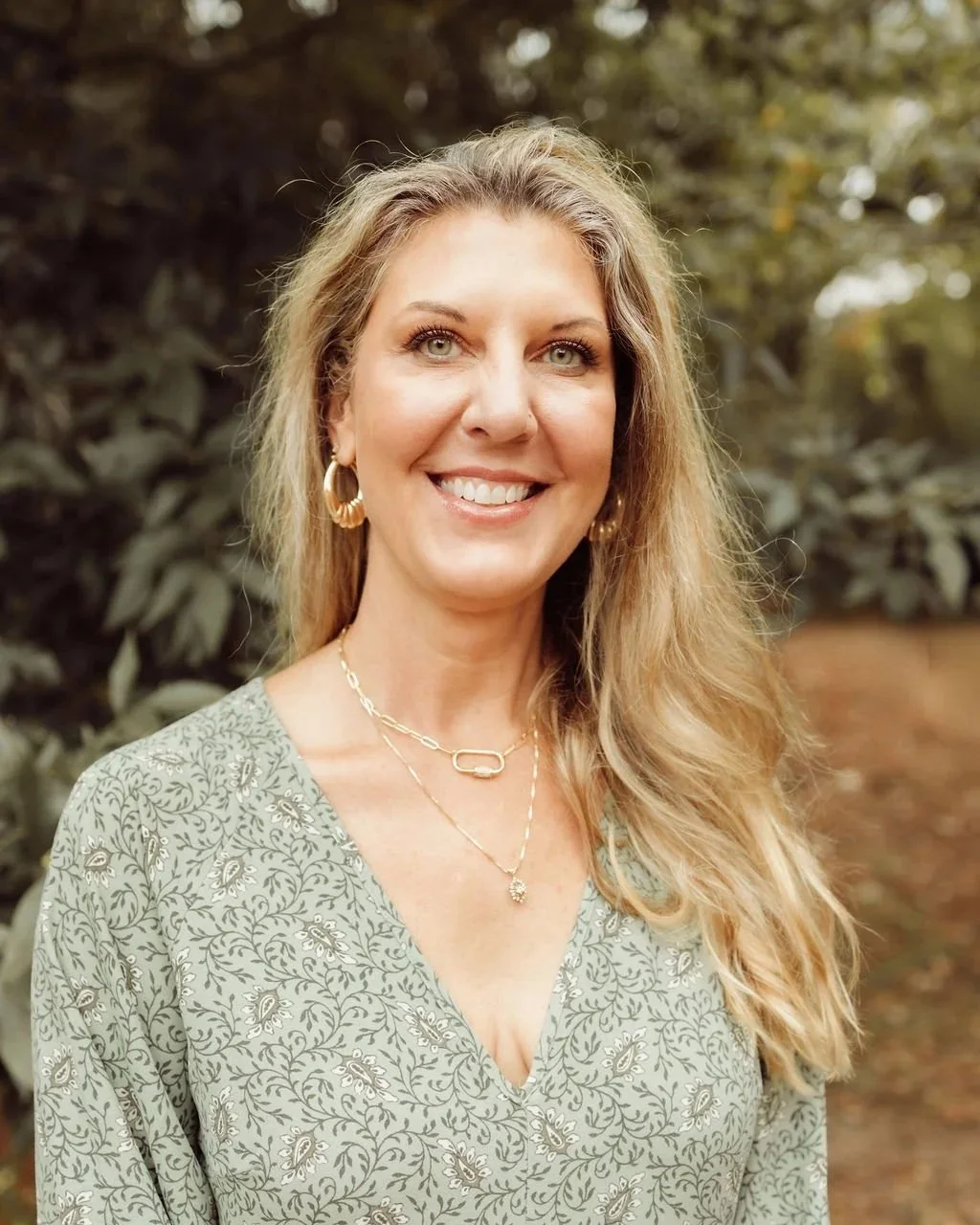
Brandy Boza, LPC- Associate
Licensed Professional Counselor Associate · Certified Teacher & School Counselor · Certified LENS Neurofeedback Practitioner · EMDRIA-Trained EMDR · Sensory-Based Interventions Trained · 20+ years working with children
Brandy's path to therapy ran through the classroom first — over 20 years of teaching and school counseling gave her a deep understanding of how children develop, what gets in their way, and how early intervention can change a child's trajectory. She uses play therapy, expressive arts, and sensory-based approaches to help children build emotional skills in a safe, supportive space. Known for her warm, approachable personality, Brandy makes kids feel genuinely seen. She also collaborates closely with teachers, school counselors, and other providers to ensure every child has consistent support. Brandy’s EMDR training is specifically adapted for children and teens, and she offers LENS Neurofeedback alongside or independently from talk therapy.