
-
Fertility Counseling
Infertility occurs in 10-15% of couples of reproductive age. Struggling to have a child can be traumatic and a complicated grief process. There are no road maps and people often don’t talk about it so individuals and couples are often left feeling that something is fundamentally wrong with them and very alone. Moving through this grief and loss can bring on a “life crisis” that can tax a couple’s existing problem-solving resources as a couple and as an individual causing intense sadness, depression, anxiety, grief and trauma. Our therapists have years of experience helping couples navigate this difficult time.
-
Miscarriage and loss
MIscarriage is a traumatic loss. It is a loss of the pregnancy and the hopes and dreams that accompany that pregnancy. While miscarriage is common, many women and their partners grieve alone and studies suggest that 15 % of women who have a miscarriage experience anxiety and depression during and after pregnancies for up to three years. Counseling in one-to-one sessions or in a group with others who have experienced a similar loss can help sort through the complicated emotions and grief that accompany this painful loss.
-
Maternal Mental Health
Up to 80% of new mothers experience the "baby blues" — mood shifts, tearfulness, and exhaustion in the first couple of weeks postpartum. For most, these lift on their own as hormones stabilize.
But 15–20% of women develop something more significant: persistent sadness, anxiety, guilt, emotional numbness, or intrusive thoughts that don't go away. Postpartum depression and anxiety are medical conditions, not reflections of who you are as a mother.
At WHCP, our clinicians have personal and professional experience with this transition. We know what it looks like from the inside, and we know how to help.
-
Recognizing Perinatal Mood Disorders
Perinatal mood disorders include conditions that arise during pregnancy or up to one year postpartum. Symptoms can include:
Persistent sadness, emptiness, or hopelessness
Irritability or anger that feels out of proportion
Difficulty bonding with your baby
Anxiety, panic, or constant worry
Intrusive or frightening thoughts you can't control
Sleep disruption beyond normal newborn exhaustion
Feeling like you're not cut out for this role
Thoughts of harming yourself or your baby
If any of these resonate — especially the last one — please reach out now. These symptoms are treatable. You will not get in trouble for telling the truth. You will get help.
-
Recovering from Birth Related Trauma
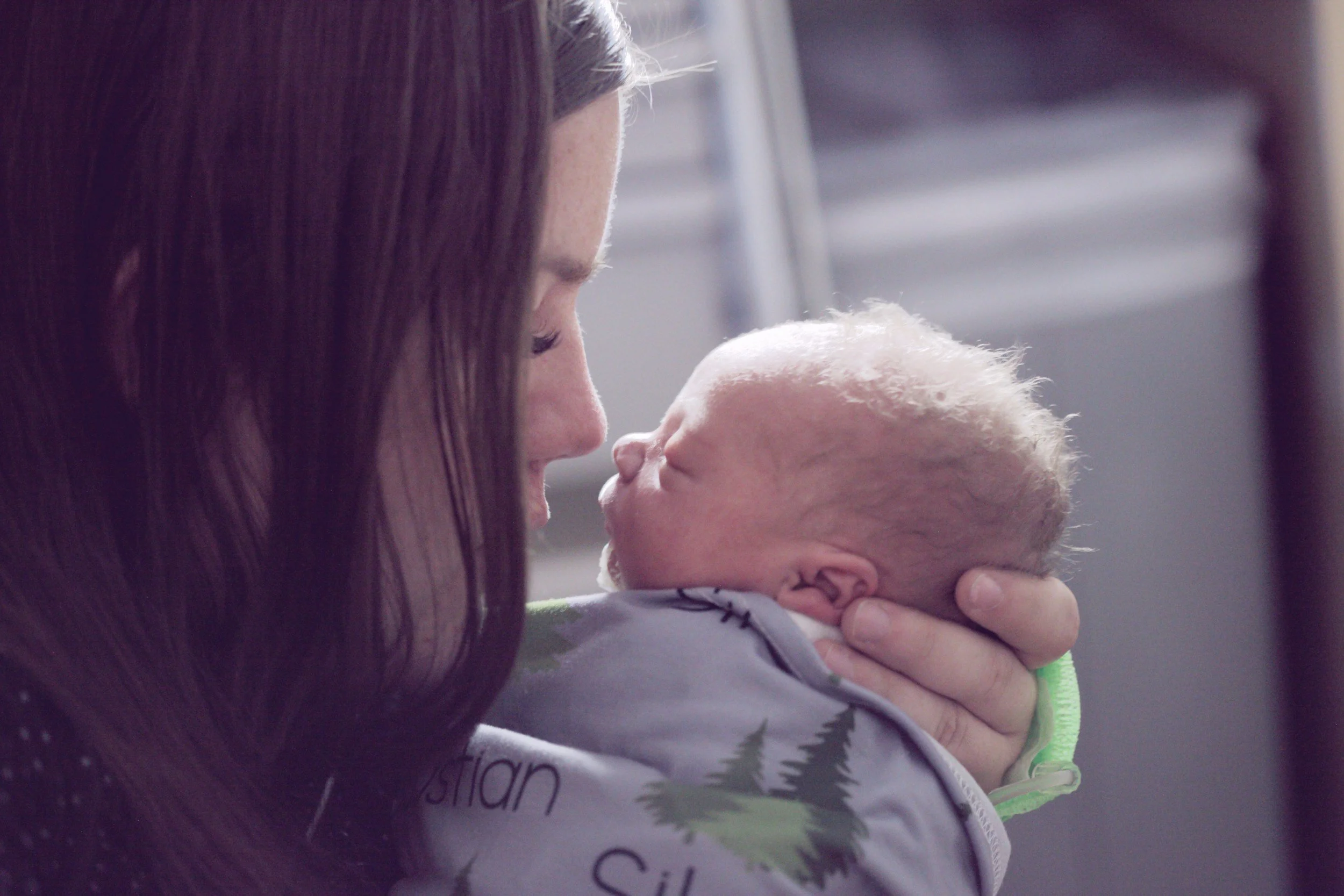
Not all births go the way anyone planned. An emergency C-section, a traumatic delivery, complications — these can leave marks that linger long after the physical recovery. Birth trauma is real, and it can produce PTSD symptoms, anxiety, and relational disconnection that conventional postpartum support doesn't address.
Our clinicians are trained in both EMDR and ART — two of the most effective evidence-based treatments for trauma and PTSD — and have worked with birth trauma specifically. Healing is possible, and it doesn't have to take years.